
What Is a Digital X-Ray?
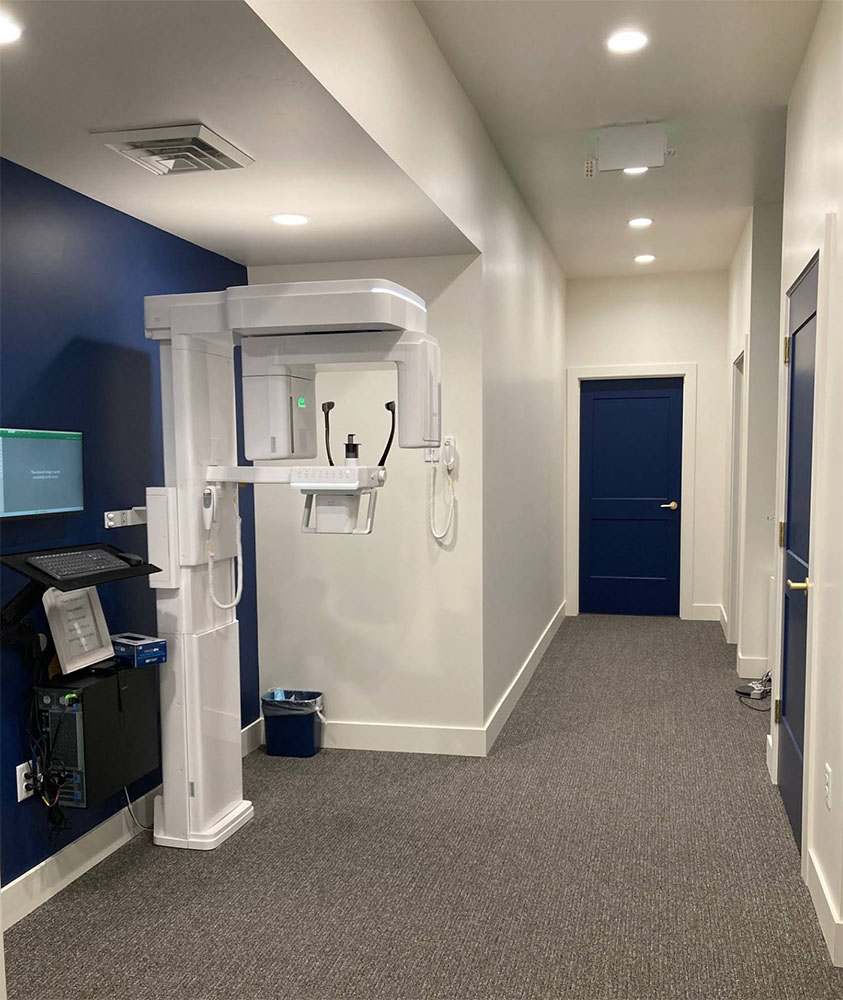
The two primary types of dental X-rays are intraoral (taken from inside the mouth) and extraoral (taken from the outside). Bitewing X-rays are the most common type of intraoral radiograph. Traditionally, uncomfortable pieces of film were placed inside the mouth for the patient to bite down on while the X-ray was being taken. With digital technology, the small sensors make this type of imaging much more comfortable. A panoramic X-ray is an extraoral X-ray in which a machine rotates around the head. The resulting images allow the dentist to see the entire mouth at once.
What Are the Benefits of Digital X-Rays?
- Reduced chair time and wait time — results are instant and highly accurate
- Improved imaging — images can also be sharpened, enlarged, and optimized in a variety of ways that improve diagnostic proficiency
- Less radiation — the radiation exposure from digital imaging is 80% less than from traditional X-rays
- Decreased environmental impact — digital X-rays eliminate the material and chemical waste produced by traditional film-based X-rays
Frequently Asked Questions
How often do I need to have a dental x-ray taken?
The frequency with which you will need to have dental X-rays depends on your overall oral health. If you are suffering from dental decay or disease, you may need to be X-rayed every six months. If you are in good oral health, you may only need a dental X-ray every couple of years.
Are X-rays dangerous?
Though dental X-rays do require very low doses of radiation exposure, they are considered very safe. The use of digital technology further reduces the level of radiation you receive from dental X-rays.
Is it safe to have dental x-rays taken while pregnant?
Dental X-rays are very safe. However, if you are pregnant, it’s best to minimize dental treatments and avoid dental X-rays if possible. In the case of a dental emergency, Dr. Peter Mortenson will take all precautions available to minimize even the slightest risk to your baby.
